- +52 663 215 6973
- contacto@rilassareclinic.com
- Diego Rivera 2311, Tijuana
- Mon - Sat 10:00 - 18:00

 ES
ES
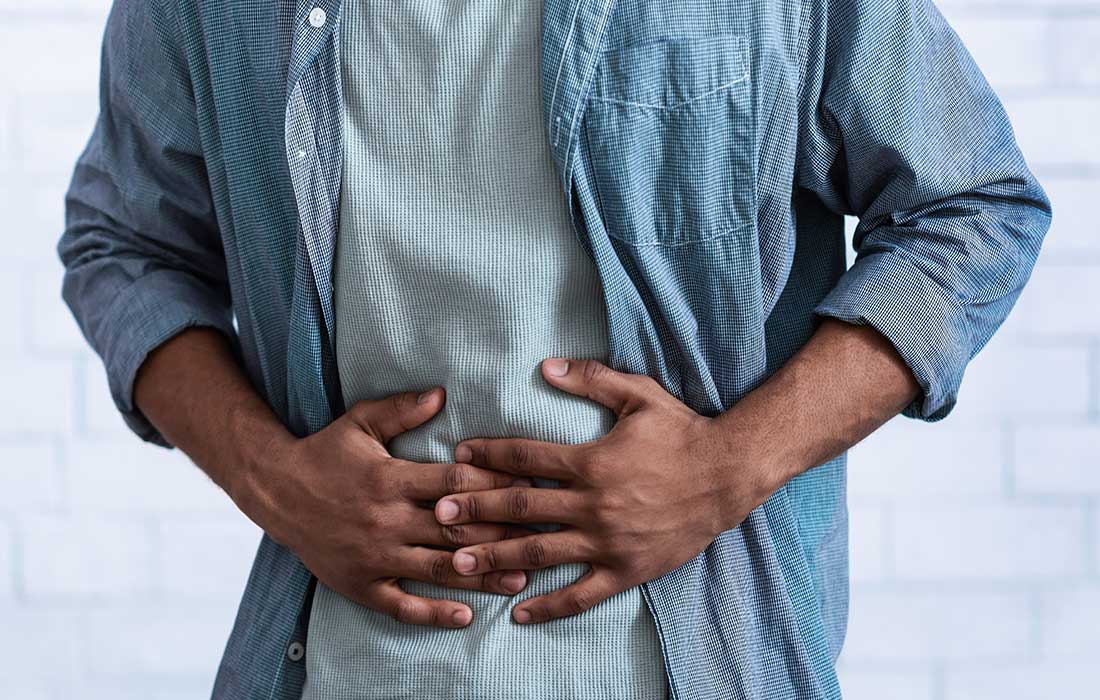
This content is for informational and educational purposes only. It is not a diagnosis and does not replace consultation with a healthcare professional. If you experience symptoms of colitis, consult a doctor for timely diagnosis and treatment.
Does Rilassáre's complementary medicine replace traditional medicine?
No. Our complementary medicine protocols (nutrition, psychological support, and general medicine) are designed as an adjunct to the treatment a patient may already be receiving, never as a substitute. Every case is individually assessed by our medical team, since no intervention is free of risk and its suitability depends on each person's clinical history.
What is colitis?
Colitis is a digestive disease characterized by inflammation of the inner lining of the colon. It may occur acutely, for example due to an infection, or chronically, as in ulcerative colitis, and its causes and treatment vary by type.
Symptoms of colitis
Symptoms may include:
- • Severe abdominal pain.
- • Abdominal bloating.
- • Rapid weight loss.
- • Joint aches and pains.
- • Loss of appetite.
- • Fatigue.
- • Changes in bowel habits (increased frequency).
- • Fever.
- • Swelling of colon tissue.
- • Redness (erythema) of the colon surface.
- • Ulcers in the colon (in ulcerative colitis) that may bleed.
- • Mucus and/or blood in the stool and rectal bleeding.
- • Diarrhea, although some forms of colitis involve constipation, so bowel movements may appear normal.
Other symptoms may include gas, bloating, indigestion, heartburn, gastroesophageal reflux, cramps, and bowel urgency.
Causes of colitis
The causes of colitis include:
- • Infections caused by a virus or parasite.
- • Food poisoning due to bacteria.
- • Crohn's disease.
- • Ulcerative colitis.
- • Lack of blood flow (ischemic colitis).
- • Previous radiation to the large intestine (radiation enteritis and colitis).
- • Necrotizing enterocolitis in newborns.
- • Pseudomembranous colitis, caused by infection with Clostridioides difficile.
Types of colitis
There are many different forms of colitis, including:
- • Ulcerative colitis.
- • Crohn's colitis.
- • Diversion colitis.
- • Ischemic colitis.
- • Infectious colitis.
- • Fulminant colitis.
- • Collagenous colitis.
- • Chemical colitis.
- • Microscopic colitis.
- • Lymphocytic colitis.
- • Atypical colitis.
Diagnosis of colitis
Common tests to diagnose colitis include colon x-rays, blood and stool tests, sigmoidoscopy, and colonoscopy. Stool cultures and blood chemistry studies may also be required. A high erythrocyte sedimentation rate (ESR) is typical of acute colitis. A definitive diagnosis must always be made by a doctor.
Treatment for colitis
The treatment path depends on the cause of the colitis and must always be determined by a doctor. Many cases require symptomatic care, including clear fluids to rest the bowel and medications to control pain. Severely ill patients often need intravenous fluids and other interventions.
Infection. Infections causing diarrhea and colitis may require antibiotics, depending on the cause. Viral infections require fluids and time; some bacterial infections, such as Salmonella, do not require antibiotics, while others, such as Clostridioides difficile, do.
Inflammatory Bowel Disease (IBD). Anti-inflammatory medications are used and, if needed, medications that suppress the immune system may be added. Surgery may be an option in severe cases.
Ischemic colitis. Treatment begins with intravenous fluids to rest the bowel and prevent dehydration. If adequate blood flow is not restored, surgery may be necessary.
Diarrhea and abdominal pain. Initial management may include a clear liquid diet, rest, and pain relievers, always under medical direction. If symptoms persist, a doctor should be consulted.
Complications of colitis
Over time, ulcerative colitis can lead to complications such as severe dehydration, colon perforation, bone loss, and inflammation of the skin, joints, and eyes. It may also increase the risk of blood clots and colon cancer.
Prevention of colitis
Many people find that one or more of the following foods trigger their symptoms:
- • Alcohol.
- • Caffeine.
- • Carbonated beverages.
- • Dairy products (if lactose intolerant).
- • Dried beans, peas, legumes, dried fruits, or berries.
- • Fruits with pulp or seeds.
- • Foods containing sulfur or sulfate.
- • Spicy sauces and spicy foods.
- • Meats.
- • Nuts and crunchy nut butters.
- • Popcorn.
- • Products containing sorbitol (sugar-free gum and candies).
- • Raw vegetables.
- • Refined sugar.
Online doctor
If you would like an online medical consultation, click the button below to visit our website www.virtualmedical.com.mx
Visit SiteFrequently Asked Questions
We answer your main questions about colitis.
What is colitis?
It is a digestive disease characterized by inflammation of the inner lining of the colon, which can have various causes and present acutely or chronically.
Can colitis be cured?
It depends on the cause. Some forms of colitis, such as infectious colitis, resolve with medical treatment, while others, such as ulcerative colitis, are chronic diseases managed with ongoing treatment and medical follow-up.
When should I see a doctor about colitis?
You should see a doctor if you have persistent abdominal pain, diarrhea with blood or mucus, fever, or unexplained weight loss, since timely diagnosis is key to proper treatment.