- +52 663 215 6973
- contacto@rilassareclinic.com
- Diego Rivera 2311, Tijuana
- Mon - Sat 10:00 - 18:00

 ES
ES
This content is for informational and educational purposes only. It is not a diagnosis and does not replace consultation with a healthcare professional. If hair loss is sudden, patchy, or accompanied by other symptoms, consult a doctor or dermatologist.
Does Rilassáre's complementary medicine replace traditional medicine?
No. Our complementary medicine protocols (nutrition, psychological support, and general medicine) are designed as an adjunct to the treatment a patient may already be receiving, never as a substitute. Every case is individually assessed by our medical team, since no intervention is free of risk and its suitability depends on each person's clinical history.
What is hair loss?
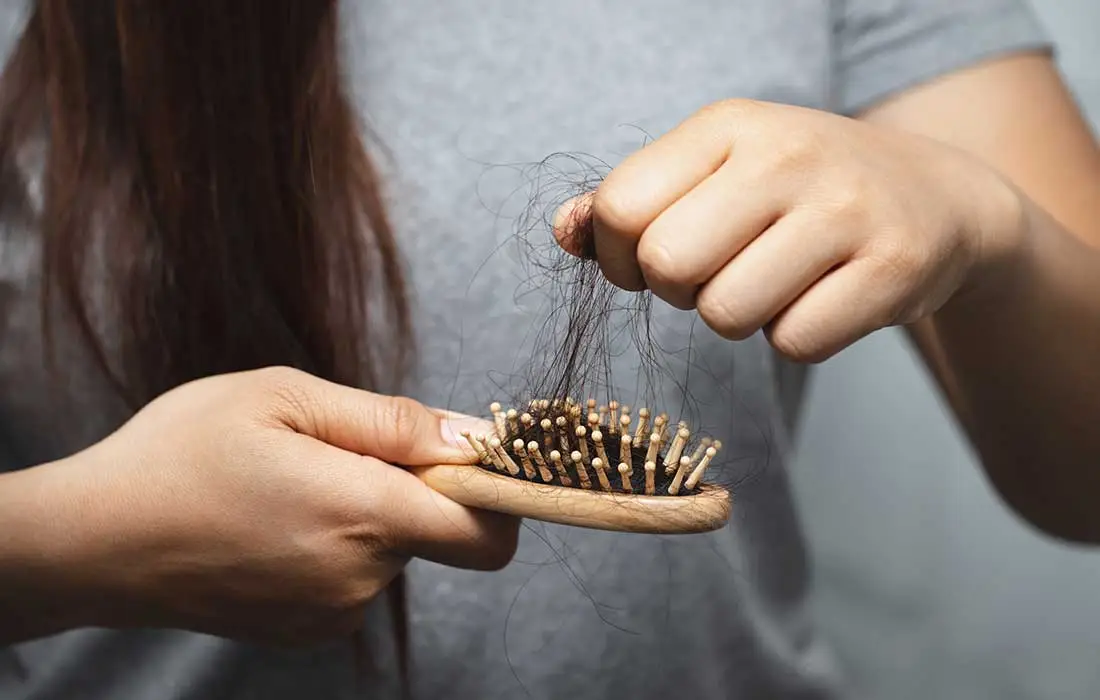
Hair loss is a common problem that can have many different causes, such as aging, stress, genetics, certain illnesses, or overuse of chemical hair products. Sometimes it can be temporary and stop on its own, but in other cases it can be a sign of a more serious health problem that requires medical treatment. If you're concerned about hair loss, it's best to talk to your doctor to determine the cause and get appropriate treatment.
Symptoms of hair loss may include:
- •An increase in the amount of hair that falls out when you brush or comb your hair.
- •A decrease in hair density, which can make the scalp appear more visible.
- •A change in the texture of the hair, such as if it is thicker or thinner than normal.
- •The appearance of split or damaged ends in the hair.
- •A thinning of hair in certain areas of the scalp, such as the crown or temples.
Causes of hair loss
There are many possible causes of hair loss, some of the most common are:
- •Aging: hair loss is a natural phenomenon that can occur as we age.
- •Genetics: hair loss can be hereditary and may be more common in certain groups.
- •Stress: physical or emotional stress can cause a temporary increase in hair loss.
- •Certain diseases: hair loss can be a symptom of thyroid disorders, anemia, or polycystic ovary syndrome.
- •Excessive use of chemical hair products: overuse of hair dryers, flat irons, or chemical products can damage hair and cause hair loss.
Types of hair loss
There are several types of hair loss, some of the most common are:
- •Androgenetic alopecia: common in both men and women, due to a hereditary sensitivity to androgens. It is characterized by widespread thinning of the hair and a receding hairline.
- •Alopecia areata: an autoimmune disease that causes round, patchy hair loss. It can affect both men and women and can be temporary or permanent.
- •Telogen effluvium: occurs when a large number of hair follicles enter the resting phase, causing massive hair loss. It can be caused by stress, pregnancy, surgery, or certain illnesses.
- •Trichotillomania: an impulse control disorder characterized by an irresistible urge to pull out one's hair, causing patchy hair loss.
Diagnosis of hair loss
If you're concerned about hair loss, it's best to talk to your doctor to determine the cause and get appropriate treatment. During your appointment, your doctor will ask about your symptoms and medical history and examine your scalp to look for possible causes.
In some cases, your doctor may order laboratory tests to rule out conditions like thyroid disease or anemia, or recommend a scalp biopsy.
If your hair loss is determined to be related to a medical condition, you will be given specific treatment for that condition, always under medical supervision.
Hair loss treatments
There are different approaches depending on the cause identified by your doctor, including:
- •Medications: if hair loss is caused by a medical condition, your doctor may prescribe treatment for the underlying condition (for example, a thyroid disorder).
- •Surgery: in some cases, your doctor may recommend hair transplant surgery to restore hair growth.
- •Topical treatments: lotions or shampoos containing ingredients such as minoxidil or ketoconazole, always under professional guidance.
- •Lifestyle changes: using gentle hair products, avoiding excessive heat styling, and maintaining a balanced diet rich in protein and vitamins.
Complications of hair loss
Hair loss itself doesn't usually cause serious physical complications, but it can be a symptom of an underlying health problem that requires treatment, such as a thyroid disorder or a nutrient deficiency. It can also affect self-esteem and emotional well-being. If you're concerned, it's best to talk to your doctor to get appropriate treatment and support.
Preventing hair loss
There are some general measures that may help reduce the risk of hair loss, although their effectiveness depends on the cause:
- •Eat a balanced diet rich in protein, iron, omega-3 fatty acids, and B vitamins.
- •Practice relaxation techniques, such as meditation or yoga, to manage stress.
- •Use hair care products that won't damage your hair or scalp.
- •Avoid excessive use of hair dryers, flat irons, and other styling products.
- •Talk to your doctor or a healthcare professional if you notice persistent hair loss.
Online doctor
If you would like an online consultation with one of our doctors, click the button below to visit our website www.virtualmedical.com.mx
Visit SiteFrequently Asked Questions
We answer your main questions about hair loss.
What is hair loss?
It is hair loss beyond the normal growth cycle, which can have genetic, hormonal, stress-related, or medical causes. Its diagnosis and treatment should be evaluated by a doctor or dermatologist.
Can stress cause hair loss?
Physical or emotional stress can trigger a temporary type of hair loss called telogen effluvium, although it is not the only possible cause and should be differentiated from other conditions.
When should I see a doctor about hair loss?
If you notice significant hair loss, patchy hair loss, or hair loss accompanied by other symptoms (skin changes, fatigue, etc.), it is advisable to see a dermatologist or doctor to determine the cause.