- +52 663 215 6973
- contacto@rilassareclinic.com
- Diego Rivera 2311, Tijuana
- Mon - Sat 10:00 - 18:00

 ES
ES
This content is for informational and educational purposes only. It is not a diagnosis and does not replace consultation with a healthcare professional. If you experience symptoms of hypothyroidism, consult a doctor for diagnosis and treatment.
Does Rilassáre's complementary medicine replace traditional medicine?
No. Our complementary medicine protocols (nutrition, psychological support, and general medicine) are designed as an adjunct to the treatment a patient may already be receiving, never as a substitute. Every case is individually assessed by our medical team, since no intervention is free of risk and its suitability depends on each person's clinical history.
What is hypothyroidism?
A condition characterized by decreased functional activity of the thyroid gland and a drop in thyroid hormone secretion. It causes a decrease in basal metabolism, fatigue, sensitivity to cold, and in women, menstrual disturbances. Hypothyroidism is more common in women.
Symptoms of hypothyroidism may include:
Main symptoms include fatigue, sensitivity to cold, constipation, dry skin, and unexplained weight gain. People may experience:
- • Whole body. Fatigue, lethargy, or feeling cold.
- • Development. Slow growth or delayed puberty.
- • Hair. Hair loss or dryness.
- • Also common. Enlarged thyroid, weight gain, high cholesterol, sexual dysfunction, constipation, slow heart rate, irritability, sluggishness, dry skin, irregular uterine bleeding, cold sensitivity, or brittle nails.
Causes of hypothyroidism
The most common cause of hypothyroidism is Hashimoto's thyroiditis, which leads to progressive destruction of the thyroid due to autoimmune processes. Other causes include iodine deficiency, certain medications, and thyroid surgery or radiation.
Types of hypothyroidism
- • Primary. The most common type; occurs when the thyroid gland itself does not produce enough thyroid hormone.
- • Secondary. Occurs when the pituitary gland does not produce enough thyroid-stimulating hormone (TSH) to signal the thyroid to produce hormones.
- • Subclinical. Characterized by slightly elevated TSH with normal T4 levels; it often presents no obvious symptoms and its follow-up must be determined by a doctor.
Diagnosis of hypothyroidism
- • TSH testing is the most sensitive parameter for diagnosing hypothyroidism.
- • Typically, in established hypothyroidism, there is an elevation in TSH along with a decrease in T4 levels.
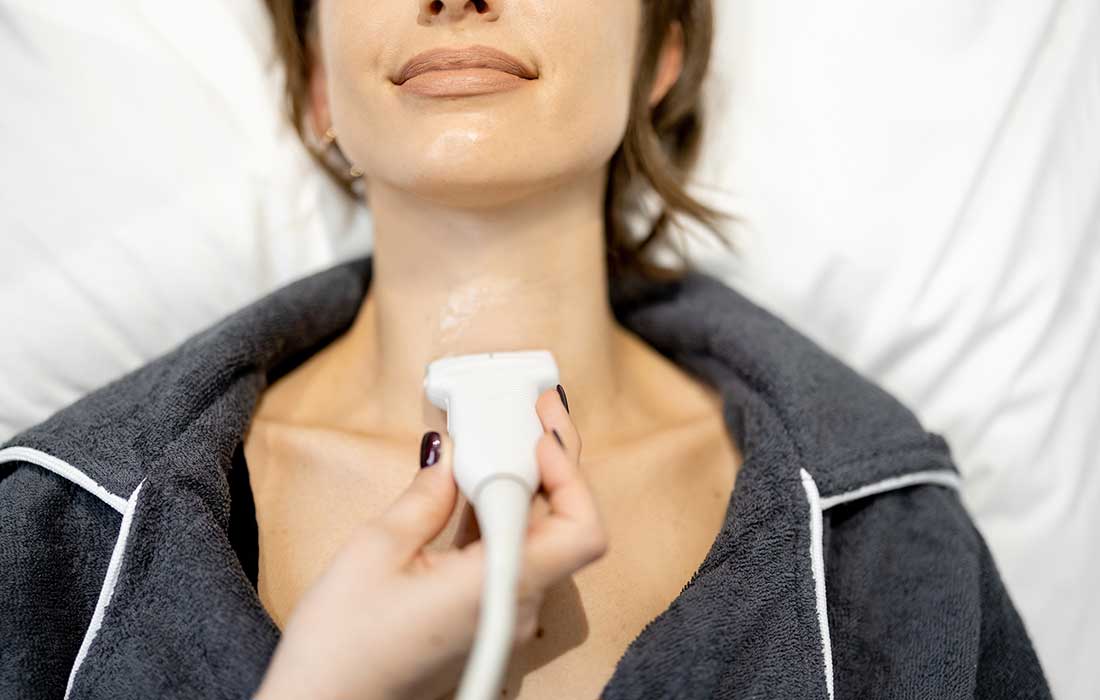
- • If a goiter is present, a thyroid ultrasound may be recommended.
Treatments for hypothyroidism
Treatment must be prescribed and supervised by a doctor, and generally consists of hormone replacement therapy:
- • Replacement thyroid hormone. Helps normalize the body's processes by regulating organ activity; the dose must be adjusted periodically based on laboratory tests.
Complications of hypothyroidism
Untreated hypothyroidism can lead to various health problems:
- • Goiter.
- • Heart problems.
- • Mental health issues.
- • Peripheral neuropathy.
- • Myxedema.
- • Infertility.
- • Congenital abnormalities.
Prevention of hypothyroidism
There is no guaranteed way to prevent hypothyroidism, except:
- • Avoid medications that may cause it, always under medical guidance.
- • Ensure adequate iodine intake through foods that contain it and iodized salt.
Online doctor
If you would like an online medical consultation, click the button below to visit our website www.virtualmedical.com.mx
Visit SiteFrequently Asked Questions
We answer your main questions about hypothyroidism.
What is hypothyroidism?
It is a disease characterized by decreased thyroid gland activity and a drop in thyroid hormones, causing fatigue, cold sensitivity, and weight gain, among other symptoms.
Can hypothyroidism be cured?
In most cases hypothyroidism is managed, not cured; it requires lifelong hormone replacement therapy supervised by a doctor.
When should I see a doctor about hypothyroidism?
You should see a doctor if you experience persistent fatigue, cold sensitivity, unexplained weight gain, or menstrual irregularities, for proper evaluation.