- +52 663 215 6973
- contacto@rilassareclinic.com
- Diego Rivera 2311, Tijuana
- Mon - Sat 10:00 - 18:00

 ES
ES
This content is for informational and educational purposes only. It is not a diagnosis and does not replace consultation with a healthcare professional. If you have obesity or associated risk factors, consult a doctor for evaluation.
Does Rilassáre's complementary medicine replace traditional medicine?
No. Our complementary medicine protocols (nutrition, psychological support, and general medicine) are designed as an adjunct to the treatment a patient may already be receiving, never as a substitute. Every case is individually assessed by our medical team, since no intervention is free of risk and its suitability depends on each person's clinical history.
What is obesity?
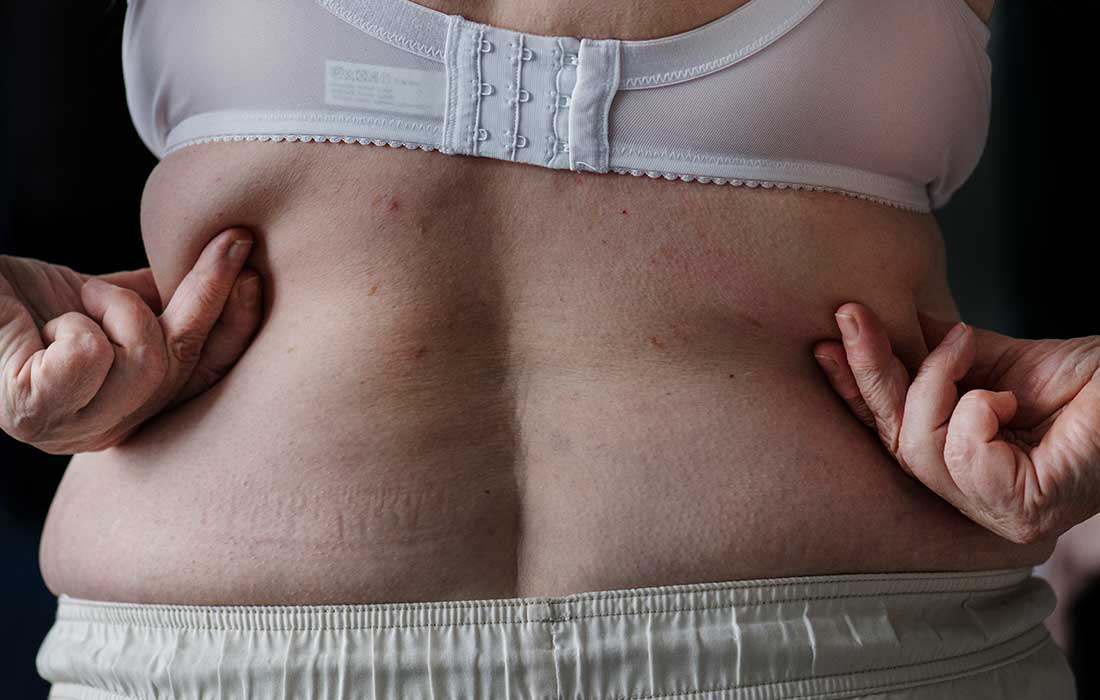
Obesity is a complex disease involving an excessive amount of body fat. It is not just a cosmetic concern. Obesity is a medical problem that increases the risk of other diseases and health problems, such as heart disease, diabetes, high blood pressure, and certain cancers.
Symptoms of obesity may include:
- • Pain areas. Joints or back.
- • Other common symptoms. Overweight, uncontrolled appetite, fatigue, belly fat, or snoring.
Causes of obesity
Although genetic, behavioral, metabolic, and hormonal influences play a role in body weight, obesity occurs when you consume more calories than you burn through daily activities and exercise. The body stores the excess calories as fat.
Many people's diets are too high in calories, often from fast food and high-calorie beverages. People with obesity may eat more calories before feeling full, feel hungry sooner, or eat more due to stress or anxiety.
Many people in Western countries now have less physically demanding jobs, so they burn fewer calories at work. Even daily activities burn fewer calories thanks to conveniences like remote controls, escalators, online shopping, and drive-through banking.
Types of obesity
Dietary obesity
Predominantly affects the face, neck, back, and chest areas. Caused by excessive unhealthy eating habits. If continued, it can become dangerous to the body.
Severe dietary obesity is another form that is concentrated mainly in the abdomen, giving a round and disproportionate appearance.
Hereditary family obesity
Characterized by fat accumulating on the outer upper buttocks and above the pubic area, although it usually doesn't cause significant aesthetic imbalance. This type develops in episodes during critical life stages.
Venous circulatory obesity
Occurs in the lower limbs and is genetic in origin. It differs from capillary circulatory obesity as it can be accentuated during pregnancies and involves vein wall swelling and clot formation (phlebitis or periphlebitis).
Capillary circulatory obesity
This type involves fat accumulation in the upper and lower limbs and is linked to genetics. It often begins as cellulite during puberty and can progress to a circulatory issue.
Gluteal obesity
Located from the waist to the knees, giving a distinct appearance, especially on the inner thighs. Begins in childhood or puberty and can be accentuated by pregnancies, hormonal imbalances, gynecological surgeries, and menopause.
Nervous abdominal obesity
Fat accumulates in the front and center of the abdomen. Develops during high-stress or depressive periods. Often a psychosomatic reaction during childhood.
Prediabetic metabolic obesity
Located in the belly. Fat builds up more rapidly rather than gradually, often during medical treatments, hormonal contraceptive use, or pregnancy.
Atherogenic metabolic obesity
The belly appears round. It is a vascular condition of genetic origin that worsens considerably with alcohol consumption (in both food and drink).
Obesity from a sedentary lifestyle
Increasingly common. Fat accumulates and appears when physical activity decreases significantly without reducing fat or carbohydrate intake. Daily physical activity is essential, especially under the guidance of a specialist.
Hypothalamic obesity
Due to a hypothalamic disorder, fat spreads progressively over the upper body, entire abdomen, hips, and buttocks. Often triggered by emotional shock. Managing it requires a combination of medical, nutritional, and psychological care.
Endogenous cortisol obesity
A hereditary/genetic condition affecting adrenal gland function. It should be treated by an endocrinology specialist.
Obesity diagnosis
The doctor will check your Body Mass Index (BMI). A BMI of 30 or higher is considered obese. Higher BMI numbers increase health risks further. This diagnosis must always be made by a healthcare professional.
Obesity treatments
The main treatment involves lifestyle changes, such as eating a healthier diet and getting regular exercise, always under medical guidance.
- • Self-care.
- • Physical activity, low-carb diet, and low-fat diet.
- • Therapies.
- • Behavioral therapy.
Obesity complications
People with obesity are more likely to develop several potentially serious health problems, including:
- • Heart disease and strokes. Obesity raises the risk of high blood pressure and abnormal cholesterol levels, which are risk factors for heart disease and strokes.
- • Type 2 diabetes. Obesity can affect how the body uses insulin to regulate blood sugar, increasing the risk of insulin resistance and diabetes.
- • Certain cancers. Obesity may raise the risk of uterine, cervical, endometrial, ovarian, breast, colon, rectal, esophageal, liver, gallbladder, pancreatic, kidney, and prostate cancers.
- • Digestive problems. Obesity increases the risk of heartburn, gallbladder disease, and liver problems.
- • Sleep apnea. People with obesity are more likely to have sleep apnea, a serious condition in which breathing repeatedly stops and starts during sleep.
- • Osteoarthritis. Obesity puts extra pressure on weight-bearing joints and promotes inflammation, increasing the risk of osteoarthritis.
Obesity prevention
- • Drink plain water—6 to 8 glasses daily (about 250 ml each).
- • Avoid sodas, juices, or any sugar-sweetened beverages.
- • Be physically active. Adults should aim for 30 minutes daily, while children and teens should aim for 1 hour.
Online doctor
If you would like an online medical consultation, click the button below to visit our website www.virtualmedical.com.mx
Visit SiteFrequently Asked Questions
We answer your main questions about obesity.
What is obesity?
It is a chronic disease involving an excessive amount of body fat, which increases the risk of heart disease, diabetes, hypertension, and other conditions.
Can obesity be reversed?
With sustained lifestyle, diet, and physical activity changes, many people improve their condition; however, every case must be evaluated and followed by a doctor.
When should I see a doctor about obesity?
You should see a doctor if your body mass index is 30 or higher, or if you have associated complications such as hypertension, insulin resistance, or sleep apnea.