
 ES
ES
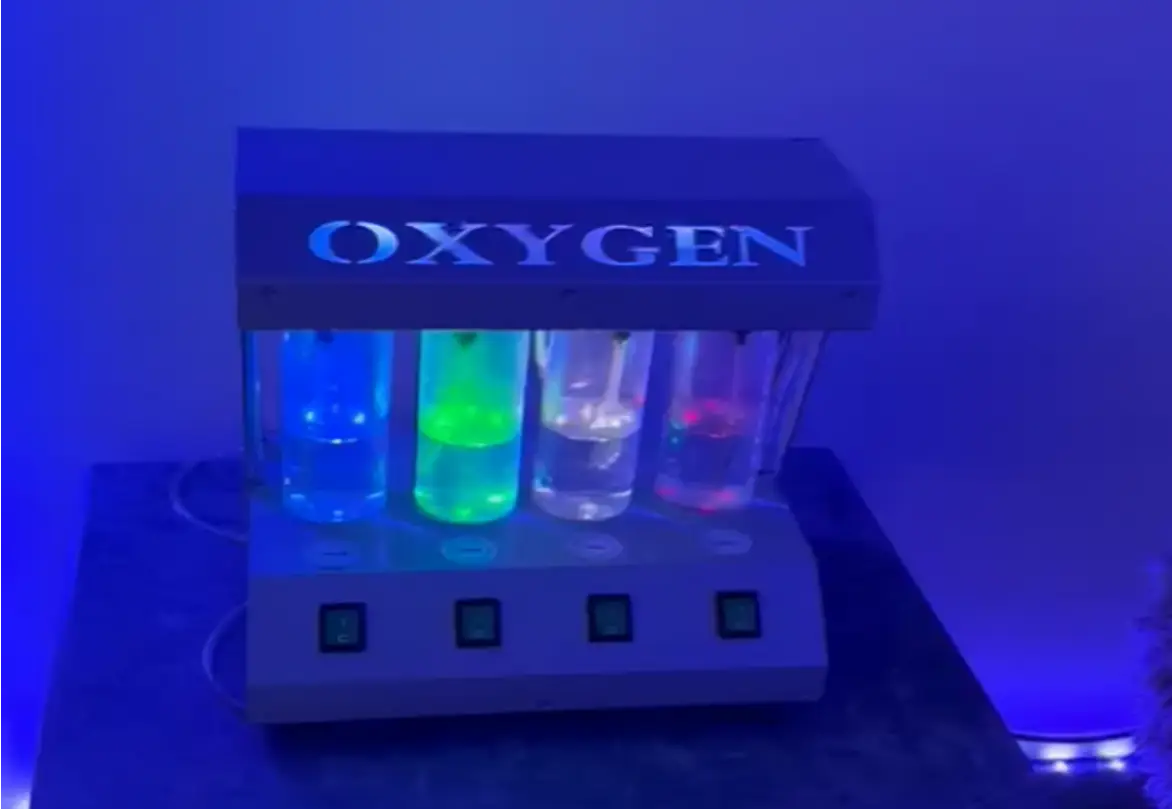
What Is an Oxygen Bar?
This content is for informational and general wellness purposes; it is not medical advice and does not replace consultation with a healthcare professional. Recreational oxygen therapy should not be used to treat any illness.
Looking for a way to relax and recharge? Recreational oxygen sessions, popular at so-called “oxygen bars,” have become a wellness experience in several cities. In this article we explain what they are, how they work, and what's known about their possible benefits. This information is for educational purposes and does not replace consultation with a healthcare professional.
An oxygen bar is a space where you can breathe concentrated oxygen, often mixed with natural aromas, in a relaxing environment. It is not a medical treatment, but rather a wellness experience focused on relaxation and unwinding.
Oxygen Sessions: A Wellness Experience
In an increasingly fast-paced world, where stress, pollution, and fatigue are part of daily life, people look for new ways to relax. One of the trends that has gained momentum in recent years is recreational oxygen therapy, offered both at spas and at popular oxygen bars. But what exactly are these sessions?

What is an oxygen bar?
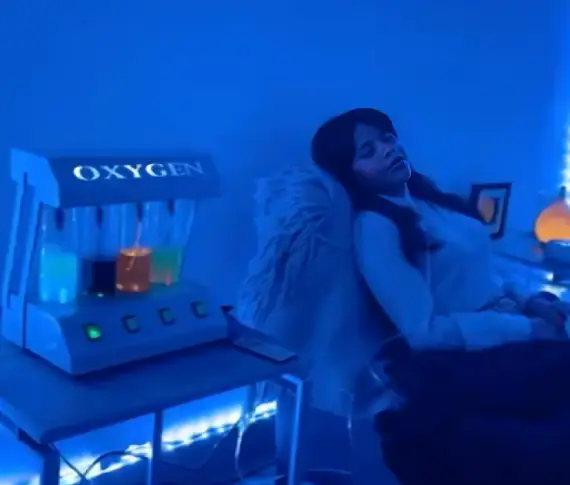
An oxygen bar is a modern space where people can enjoy brief sessions of concentrated oxygen, usually in a relaxing environment designed to provide a pleasant sensory experience. This concept originated in Asia and has gained popularity in fast-paced cities like New York, Tokyo, London, and Mexico City.
At these spaces, customers breathe oxygen with a purity of 90% or more through a nasal cannula, often mixed with natural aromas or essential oils such as eucalyptus, lavender, or mint.
Oxygen bars are popular among people who work long hours at a computer, travelers looking to combat jet lag or altitude fatigue, and those who engage in intense physical exercise.
What is an oxygen session?
Oxygen sessions involve breathing concentrated oxygen (around 90-95%, compared to 21% in normal air) through a nasal cannula or mask, generally for 15 to 30 minutes.
Possible perceived benefits of oxygen sessions
Although they are not a replacement for medical treatment, some preliminary studies and wellness experiences reported by users suggest that recreational oxygen therapy may offer perceived benefits, especially for those living in urban or high-demand environments. This practice does not diagnose, treat, or cure any illness.
1. A sense of energy and mental focus
Some people report feeling more alert and better able to concentrate after a session.
2. Relaxation and perceived well-being
The ritual of the session, combined with aromas and a calm setting, may promote a sense of relaxation.
3. Perceived post-exercise recovery
Some athletes include it as part of their recovery routine, though it does not replace medically supervised recovery.
4. A pleasant sensory experience
The combination of oxygen and aromatherapy is associated with a relaxing experience for the skin and senses.
5. Possible support for general well-being
Preliminary studies have suggested that higher cellular oxygenation could be associated with a general sense of well-being; this is not the same as "boosting" the immune system or preventing illness, and should not be interpreted as such.
Who might enjoy an oxygen session?
Recreational oxygen sessions are generally aimed at people looking for an energizing break, travelers, physically active individuals, or anyone who simply wants to try a new form of relaxation and self-care. People with respiratory, heart, or lung conditions should consult their doctor before trying one.
An Experience Beyond Health
More than a treatment, oxygen sessions are a wellness experience. Oxygen bars combine this practice with aromatherapy, soft lighting, and relaxing music, turning each session into a moment of disconnection.
Conclusion
Adding recreational oxygen sessions to your routine can be a pleasant way to take a break and care for your general well-being. They do not replace medical care: if you have a health condition or questions, consult your doctor first.