
 ES
ES
Sleep Myoclonus
This content is for informational and educational purposes only. It is not a diagnosis and does not replace consultation with a healthcare professional. If the jerks or spasms are frequent, intense, or concerning, consult a doctor.
In this Rilassáre Clinic blog post you'll find information about sleep myoclonus: what it is, why it happens, and when it's a good idea to see a doctor. This information is for educational purposes; if you have questions about your symptoms, we recommend consulting a healthcare professional or contacting us via WhatsApp at 663 215 6973.
The term myoclonus refers to a quick, involuntary muscle jerk you cannot control. Hiccups are a type of myoclonus, as are sudden jerks or “myoclonic spasms” that you experience just before falling asleep. These types of myoclonus occur in healthy people and are usually not serious.
Does Rilassáre's complementary medicine replace traditional medicine?
No. Our complementary medicine protocols (nutrition, psychological support, and general medicine) are designed as an adjunct to the treatment a patient may already be receiving, never as a substitute. Every case is individually assessed by our medical team, since no intervention is free of risk and its suitability depends on each person's clinical history.


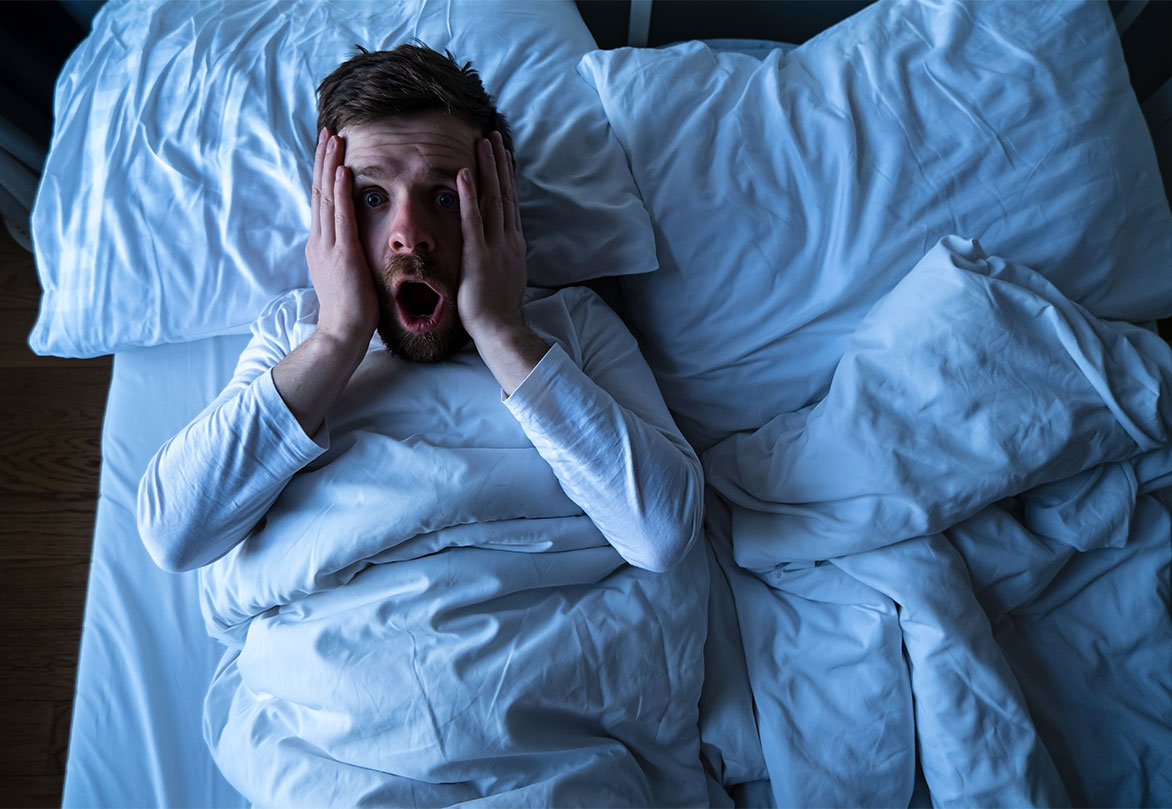
It's been a hectic, demanding workday, but finally, it's time to sleep. The body relaxes, muscles loosen, the mind quiets: wakefulness is giving way to sleep. And just as rest seems within reach, a sudden spasm disruptively jolts the body.
This sensation, which could be described as vertigo, is brief and often doesn't even wake us; instead, it pulls us into an in-between state from which we can easily slip back into sleep.
What happens to the body and brain in those moments? Should we worry if it happens often? Is it related to stress or to difficulty relaxing and letting go into sleep?
What is sleep myoclonus?
The term myoclonus refers to a quick, involuntary muscle jerk you cannot control. Hiccups are a type of myoclonus, as are sudden jerks or "myoclonic spasms" you experience before falling asleep. These types are seen in healthy individuals and are usually not serious.
Other types of myoclonus may result from nervous system disorders, such as epilepsy, a metabolic condition, or a reaction to medication; these cases always require medical evaluation.
Treating the underlying cause of myoclonus can help manage symptoms. Sometimes the cause is unknown or not specifically treatable; in such cases, the goal is to reduce how much it affects quality of life.
Symptoms
People with myoclonus often describe the symptoms as movements, jerks, or spasms with the following features:
- •Sudden
- •Brief
- •Involuntary
- •Surprising
- •Varying in intensity and frequency
- •Located in one part of the body or the whole body
- •Sometimes severe enough to interfere with eating, speaking, or walking
Nocturnal Myoclonus
This disruptive pause on the threshold between wakefulness and sleep has several names: nocturnal or hypnic myoclonus, myoclonic spasms, hypnic jerks. These are involuntary, abrupt, brief, and simultaneous contractions of the body—or parts of it—that occur during the wake-sleep transition and may be spontaneous or triggered during the muscle relaxation typical of this stage.
They can be single or multiple, focal (in one leg) or generalized (arms and legs).
Why do myoclonic jerks occur?
It's a very common phenomenon: studies report that up to 70% of people of all ages and genders experience them at some point, though they may be more frequent in childhood.
At the onset of sleep, hypnic myoclonus occurs alongside changes in breathing, slower heart rate, muscle relaxation, and lower body temperature—normal physiological processes of falling asleep. One medical hypothesis suggests the brain interprets these changes as a possible risk signal and sends a nerve impulse to "reactivate" the body, an innate defense mechanism.
There's also a popular idea that it's an ancestral reflex from when we slept in trees; this is a hypothesis without definitive scientific confirmation.
What can sleep myoclonus be linked to?
In most cases it's physiological myoclonus—"normal"—though in certain cases pathological forms should be ruled out with a doctor's help.
Associated conditions include oxygen deficiency or hypoxia (common in people with sleep apnea), some medications that promote apneas, and—when jerks persist after waking—certain types of epilepsy, which require neurological diagnosis.
In young people with no history or other illnesses, and when the jerks occur early in the night, they're most likely physiological.
Factors that may favor myoclonus
Stress, lack of sleep, certain sleep positions, magnesium or iron deficiency, and excessive high-impact exercise may favor hypnic jerks. Alcohol, nicotine, and stimulants like coffee can also increase their frequency.
Hypnagogic jerks don't require treatment in most cases: they aren't considered a disease and don't cause complications. If they cause discomfort, management focuses on improving relaxation and reducing alertness at bedtime.
When to see a doctor
If your myoclonus symptoms become frequent and persistent, or interfere with your rest, talk to a healthcare provider about diagnosis and treatment options.